
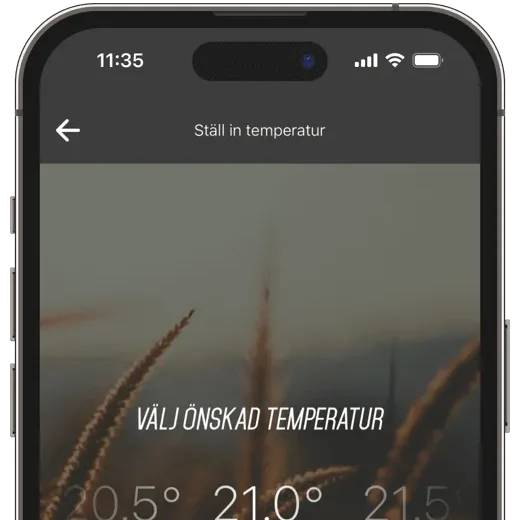
NGENIC Track Opto
What is Track Opto?
Get More Out of Your Ngenic Tune
By adding Track Opto to Ngenic Tune, both you and the system will have access to real-time energy data.
You’ll have better control over your energy consumption and can track trends directly in the app, while Ngenic Tune gains even better data to optimize energy usage based on your home’s actual conditions.
Data in Large Quantities
Real-time data, historical data, and insights to help you get more out of your Ngenic Tune.

See the effect in real time
In Hemvyn, you can see your electricity or heating usage in real time. Forgot whether you turned off the stove? Check right away in the app!
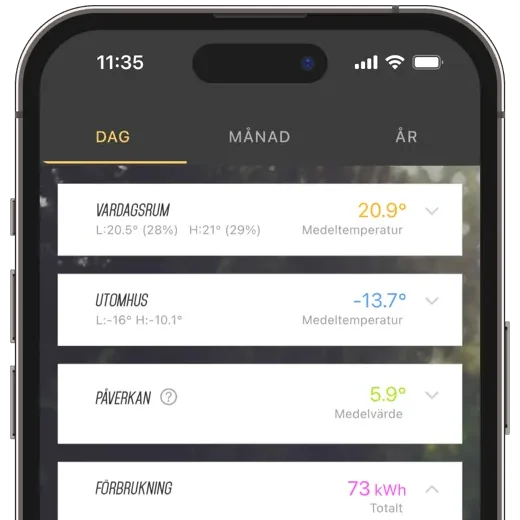
Complete History
In the History view, you can easily compare time periods and usage patterns. Filter your data by day, month, or year.
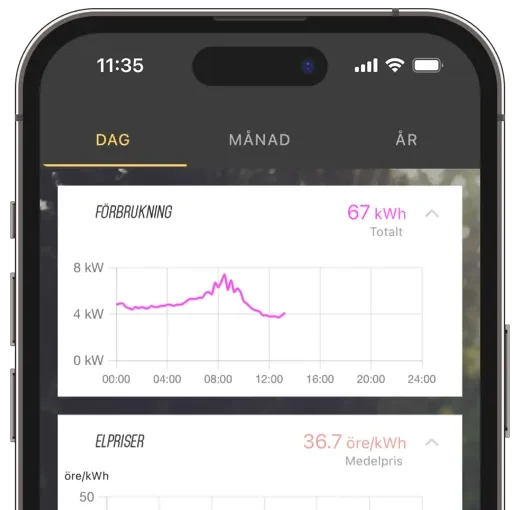
View electricity rates
Would you like to keep track of electricity prices? Enable “Show Electricity Prices” to view prices for the entire day in your price zone directly in the History view.
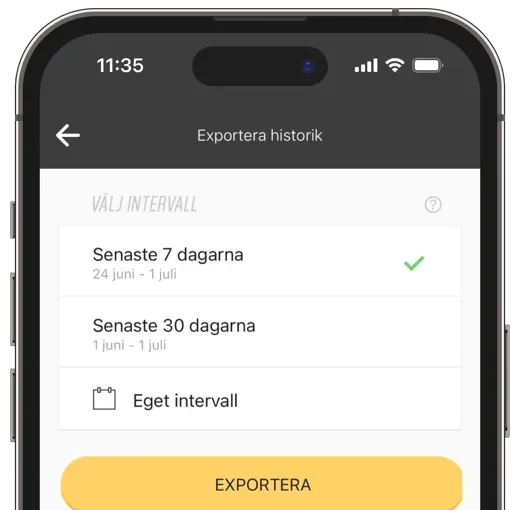
export measurement data
Would you like to take a closer look at your data? Easily export your data in CSV format by entering your desired time range.
Check compatibility here
Frequently Asked Questions About Track Opto
What is the difference between Track Opto and Track HAN?
Do I need Ngenic Tune to use Track Opto?
What are the benefits of Track Opto?
Can I view my usage in real time?
Yes. With Track Opto, you can monitor current power output and energy consumption directly in the Ngenic app, as well as view historical data for various time periods.
Does Track Opto work with district heating?
Yes. Track Opto is designed to work with most district heating meters and can also be used with electricity meters that lack a HAN/P1 port. Track is useful even if you have district heating, since it lets you monitor your home’s electricity usage. You can track consumption in real time and over time, understand what’s drawing power, and more easily detect potential power thieves. You can also view the load on your home’s three phases, which helps you determine if one phase is significantly more loaded than the others.